Why Cheap Scales Are Quietly Wrecking Your Macros
You’re hitting the gym, prepping your meals, logging everything — and yet the results don’t match the effort. Before blaming your plan, look at the tool you’re using to measure it. A scale that drifts by even 5% doesn’t just give you bad data — it silently undermines every goal you’ve set.
The Sunday Meal Prep That’s Off by 1,000 Calories
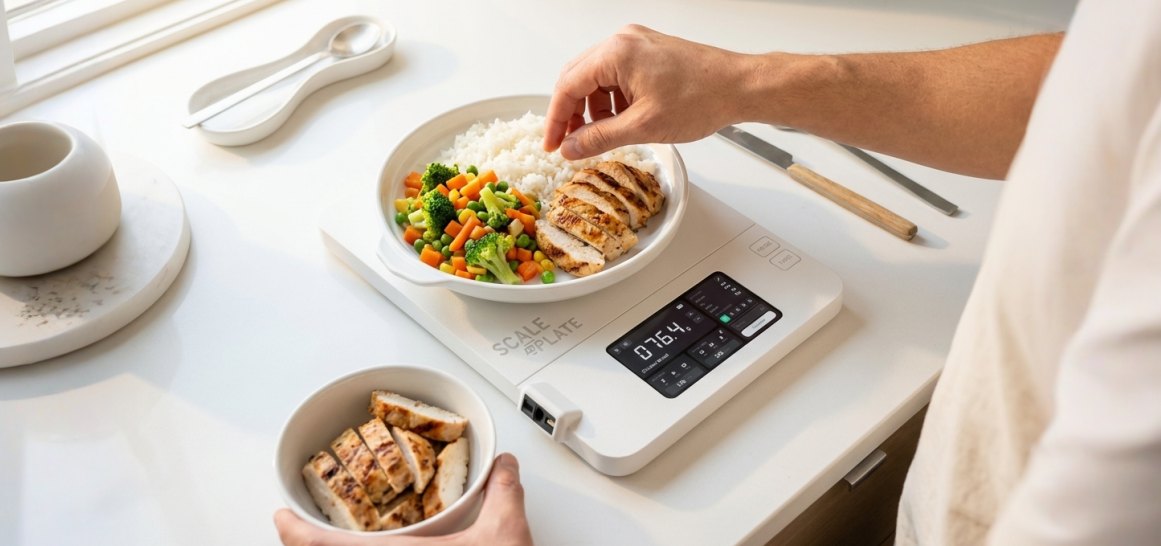
Picture this: you portion out 180g of chicken breast, feel confident about the 43g of protein, and move on. But your budget scale has drifted 12 grams high. You logged 43g — you actually got 40g. Multiply that across six meals a day, seven days a week, and you have a 126g weekly protein gap you never knew existed.
At 4 calories per gram for protein and 9 for fats, small drifts on multiple ingredients stack fast. Most gym-goers tracking on a $15 scale are off by 800 to 1,200 calories per week — not from cheating, not from forgetting to log, but purely from inaccurate measurement.
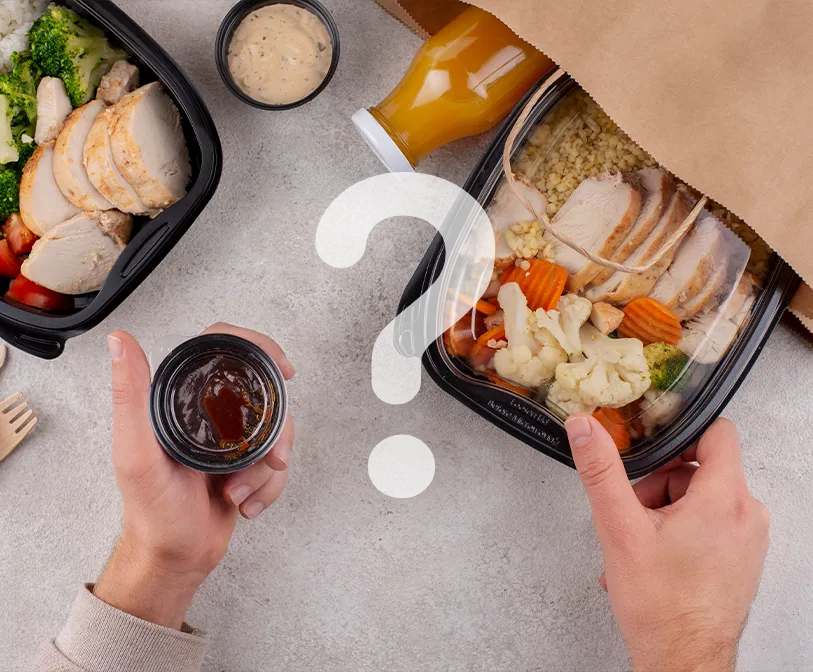
Sensor Drift
Budget resistive sensors degrade with heat, humidity, and repeated use — often within months of purchase.
App Friction
Switching between a scale and a phone app breaks focus, invites rounding errors, and kills consistency.
AI Photo Guessing
Camera-based “smart” scales guess portions from images — with error rates up to 15% on common foods.
The Numbers Don’t Lie
Precision isn’t a luxury for competitive athletes. It’s the baseline any serious gym-goer needs to know if their nutrition plan is actually working. Here’s what the data consistently shows about cheap measurement tools.
A 5% error sounds small until you do the math on a 200g serving of oats. That’s a 10g swing — 38 hidden calories, just from oats, just from one meal. Stack protein, carbs, and fats across five meals and the gap becomes significant enough to stall real progress.
What “Off by a Little” Looks Like in Practice
Budget scales consistently over-read on dense, high-calorie foods — exactly the ingredients that matter most for macro tracking. Here’s a typical pattern from real-world testing against a calibrated reference scale:
Accurate Tracking Is a Four-Step Flywheel
The reason precision matters isn’t just about one meal. It’s about the compounding effect of consistently reliable data — the flywheel that turns tracking into real results.
What You’re Actually Getting for the Price Difference
The gap between a $20 scale and a purpose-built nutrition tool isn’t just accuracy — it’s the entire workflow. Here’s how they compare on what actually matters for daily meal prep:
| Feature | Budget Scale + Phone App | ScaleMyPlate |
|---|---|---|
| Macro feedback while building the meal | ✕ Log first, see later | ✓ Live on the touchscreen |
| Barcode scanning for packaged foods | ✕ Separate phone required | ✓ Built-in scanner on device |
| Fresh ingredient search by name | ✕ Switch to app, scroll, select | ✓ Type directly on touchscreen |
| Save and reuse weekly recipes | ✕ Re-enter every session | ✓ Weigh once, save forever |
| Multiple user profiles | ✕ Separate app accounts needed | ✓ Individual profiles on-device |
| Works offline | ✕ App needs internet connection | ✓ Fully functional without Wi-Fi |
| Ongoing subscription cost | ✕ $250+/year for premium apps | ✓ No monthly fees — ever |
The Bottom Line
You’re not failing your macros. You’re being failed by tools that weren’t designed for what you’re doing. A scale that drifts, a logging workflow that interrupts meal prep, an AI camera that guesses — none of that is worthy of the work you put in at the gym.
Visit scalemyplate.com to see what precision tracking built for serious gym-goers actually looks like.